Top Ball End Mill Types for 2026 What to Choose?
In the competitive machining industry, selecting the right tools is crucial. Ball End Mills, known for their ability to create complex shapes, play a vital role in precision machining. According to a recent report by Grand View Research, the global end mill market is expected to reach $9.4 billion by 2025, which highlights the growing demand for high-quality cutting tools.
Choosing the correct Ball End Mill can dramatically affect machining efficiency and part quality. These tools are specifically designed for creating contoured surfaces. For example, they excel in 3D machining tasks, ensuring accuracy in intricate designs. However, with numerous options available, selecting the best type can be daunting.
Manufacturers must consider several factors like material, diameter, and coating. Notably, the market's rapid evolution means that today's top choices may not hold the same status in a year. Evaluating current trends and drawing from reliable data is essential in making informed decisions. This is not just a choice; it shapes the future of precision machining.
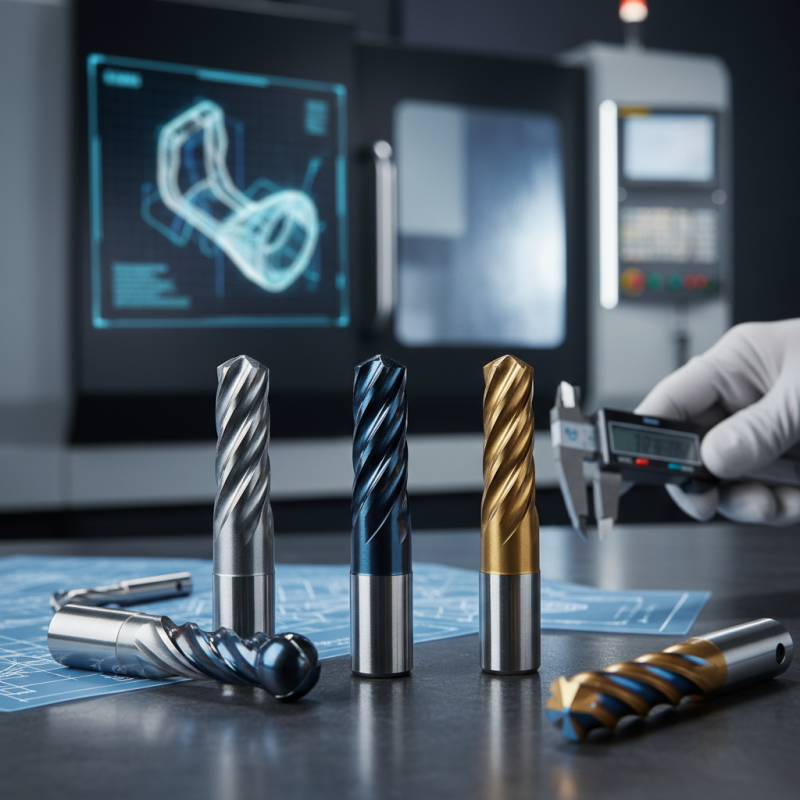
Overview of Ball End Mill Types and Their Applications
When choosing a ball end mill, understanding the types and their applications is essential. Ball end mills come in various sizes and configurations. Common types include standard, tapered, and miniature. Each type serves distinct purposes. Standard ball end mills are versatile for general machining tasks. Tapered end mills are ideal for deep cavity designs. Miniature tools excel in precision work.
Consider the materials you will work with. Different coatings can affect performance and lifespan. For example, some coatings enhance durability in tough materials. Others offer smoother finishes on softer metals. The choice of diameter also plays a critical role. Smaller diameters provide finer details, while larger ones offer stability.
Reflect on your specific needs. A ball end mill may not always be the perfect fit for every job. Sometimes, a standard end mill could provide better results in certain applications. Testing different types and sizes can yield unexpected insights. Engaging in trial and error often leads to better choices. Familiarity with tooling options is invaluable for improving machining efficiency.
Factors to Consider When Choosing a Ball End Mill
When selecting a ball end mill, several factors should be prioritized. The diameter of the end mill plays a crucial role in machining precision. Smaller diameters allow for intricate designs. However, larger diameters are more efficient for deeper cuts. Balancing these is important for achieving desired finishes.
Another key aspect is the flute design. The number of flutes affects material removal rates. Fewer flutes can enhance chip clearance. This is vital for keeping the cutting area clean. Yet, too few flutes may compromise surface finish. Users need to find the right balance based on their specific project.
Also, one should consider the material of the end mill. High-speed steel (HSS) is versatile and cost-effective. Carbide offers superior durability but comes at a higher price. Weighing these advantages against budget constraints is essential. In some cases, it may be wise to experiment with different types. This may lead to better performance or unexpected findings in machining processes.
Comparison of Material Variations in Ball End Mills
When selecting a ball end mill, material variations play a crucial role. Different materials influence performance, durability, and the quality of the final product. High-speed steel is a common choice. It’s affordable and suitable for various applications. However, it may wear out quickly. Carbide mills are more robust. They maintain sharpness longer and provide precision cuts. Yet, they are costlier and can be brittle.
Cobalt alloys offer increased heat resistance. They are ideal for tough machining tasks. However, they can be challenging to sharpen. Another option is coated mills. They are treated to enhance durability and reduce friction. With these mills, users can achieve smooth finishes. Still, the coating can sometimes chip under heavy use.
When comparing materials, one must consider their specific needs. Not all materials suit every job. Users should reflect on their past experiences with each type. A wrong choice can lead to wasted time and resources. It’s crucial to balance cost, durability, and application when making a selection. The diversity of options allows for customization, but it can also lead to indecision. Finding the right match often requires trial and error.
Top Ball End Mill Types for 2026
This chart compares the performance of different material variations in ball end mills based on their application suitability. The data reflects hardness levels and expected lifespan under typical machining conditions.
Future Trends in Ball End Mill Design and Manufacturing
As we look forward to 2026, trends in ball end mill design and manufacturing reveal a focus on precision and efficiency. Industry reports highlight a potential 25% increase in demand for advanced milling solutions. This shift is fueled by the growing complexity of machined components across industries. Manufacturers are investing in innovative materials and cutting-edge geometries.
Tips: Consider how new coatings can extend tool life significantly. This approach reduces costs and enhances operational efficiency in manufacturing.
Furthermore, automation in the production process is gaining traction. Automated systems can improve the consistency of tool quality. However, integrating technology can pose challenges regarding initial investment and training. Manufacturers must balance cost with potential long-term gains.
It’s essential to reflect on your specific needs. Not every trend will suit every application. Customization could be key to leveraging productivity and performance. Always weigh the pros and cons of adopting new trends.
Recommendations for Top Brands and Models in 2026
In 2026, choosing the right ball end mill requires careful consideration of various factors. The global market for end mills is projected to reach $3.25 billion by 2026, according to industry reports. With increasing demands in sectors like aerospace and automotive engineering, selecting high-quality tools becomes crucial. Precision and durability are often emphasized, yet many users overlook how specific geometries can significantly impact performance.
When examining top brands and models, functionality matters. A 2023 survey noted that 45% of manufacturers found inefficiencies when using generic tools. Ball end mills with unique designs can provide enhanced cutting capabilities, especially on complex surfaces. However, the cost of premium models often leads to hesitations. It's important to balance price with the potential for increased output and reduced waste.
User reviews from 2025 highlighted some common pitfalls. Many users experienced issues with tool wear and chatter. Proper selection must consider material compatibility and intended use cases. Not all models fit every project, and that’s often forgotten. Evaluating real-world data on tool lifespan can provide insight. This reflection will aid in making decisions aligned with project goals, especially as requirements evolve.

