Why is the Jacquard Machine Important for Textile Innovation?
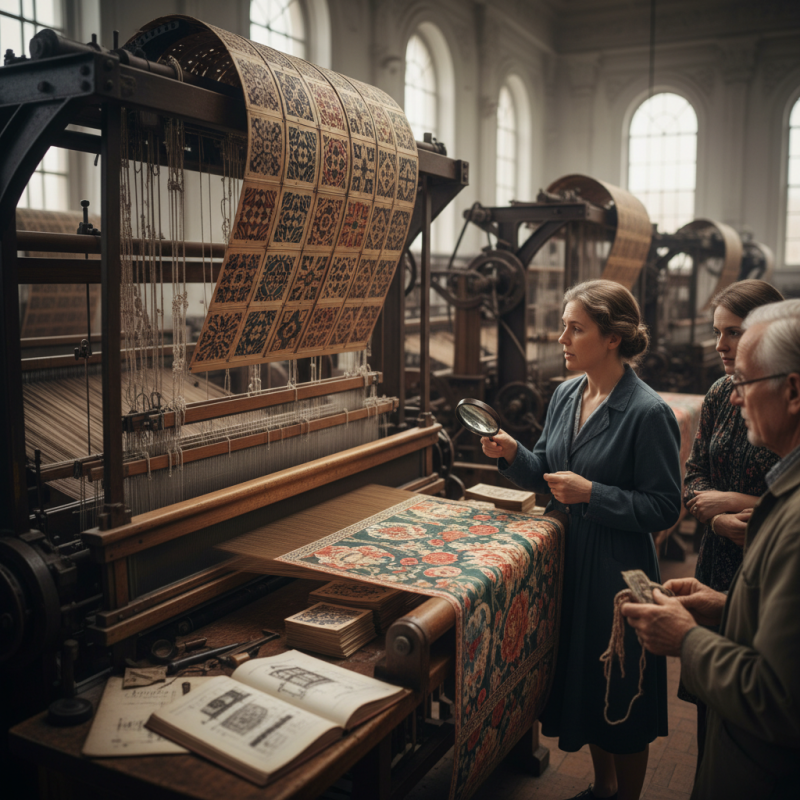
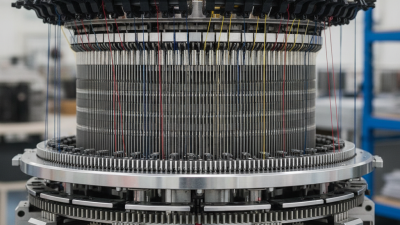
The Jacquard machine revolutionized the textile industry. It allowed for intricate designs to be woven automatically. This innovation changed the landscape of fabric production. Experts like Dr. Emily Carter highlight its significance, stating, "The Jacquard machine set the foundation for modern textiles."
Before its invention, weaving demanded significant manual labor. The Jacquard machine introduced a new sense of efficiency and creativity. Yet, one must reflect on its impact on artisan crafts. While production increased, so did the potential loss of traditional skills. This raises questions about balance in textile artistry.
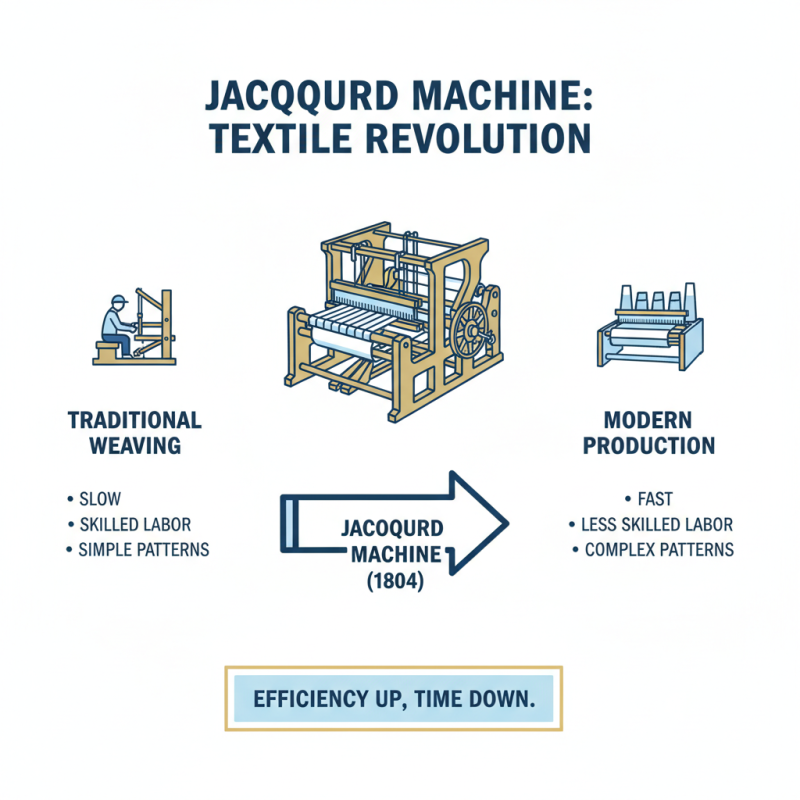
Designed by Joseph Marie Jacquard in 1804, this machine used cards to control patterns. It embodied a blend of technology and artistry. Yet, its deployment shifted the focus from handmade to machine-made. The textile world still grapples with this tension today.
The Historical Context of the Jacquard Machine in Textile Industry
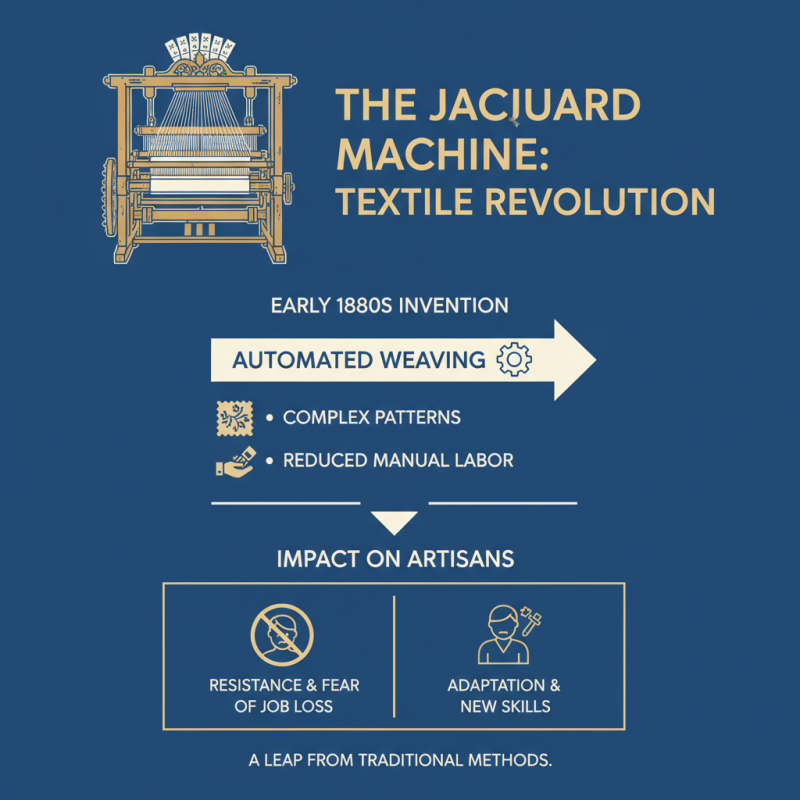
The Jacquard machine represents a significant leap in the textile industry. Invented in the early 1800s, it transformed weaving by introducing automation. This innovative approach allowed more complex patterns to be woven into fabric without intensive manual labor. It marked a significant break from traditional methods. Artisans and weavers had to adapt quickly. Some resisted change, fearing job loss.
Historically, the Jacquard machine used punch cards for pattern control. This system was revolutionary. It laid foundation for modern computing technology. While many celebrated the innovation, others faced challenges. The rise of mechanization altered social dynamics in textile towns. Families who once relied on weaving struggled to find new work.
Despite its impact, the Jacquard machine was not without flaws. Early versions were often prone to malfunction. Weavers needed to troubleshoot and repair these complex machines. This reliance on technology created a new set of problems. The balance between innovation and craftsmanship became a topic of debate. The history of the Jacquard machine reveals both progress and struggle in the textile industry.
Key Innovations Introduced by the Jacquard Machine in Weaving Technology
The Jacquard machine revolutionized weaving by introducing the concept of automated pattern control. It utilized punched cards to dictate the movement of threads. This innovation allowed weavers to create complex designs easily. Intricate patterns became possible, enhancing the creative potential in textile production. Craftsmen could focus more on artistry instead of manual labor.
Another significant advancement was the efficiency it brought to the textile industry. The Jacquard machine reduced the time needed for fabric production. However, this shift also raised concerns about job displacement. Traditional weavers faced challenges adapting to these new technologies. The disruption in craftsmanship prompted reflection on the balance between innovation and tradition.
In addition, the machine paved the way for future technological developments. It inspired the creation of modern computing devices. Yet, the reliance on mechanical systems often leads to questions about sustainability. Can mass production coexist with handmade artistry? What will be the impact of automation on future generations? These are the dilemmas that still linger today.
Impact of the Jacquard Machine on Production Efficiency and Cost
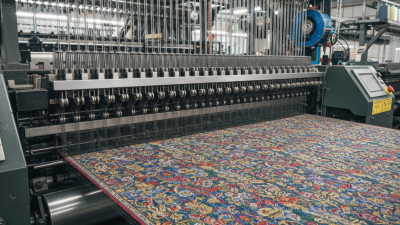
The Jacquard machine revolutionized textile production. It allowed for intricate patterns to be woven automatically. This led to greater efficiency in production lines. Traditional methods took much longer and required skilled labor. The Jacquard machine reduced the need for skilled artisans. Instead of countless hours, weavers could now create complex designs in much less time.
Production costs decreased significantly. With faster outputs, factories could produce more fabric at a lower price. The machine’s ability to automate weaving also minimized errors. However, it did come with challenges. Some workers felt threatened by the new technology. Their skills became less valuable. Adaptation to the Jacquard machine was not easy.
It raised questions about craftsmanship. Was the beauty of handcrafted textiles being lost? The ease of production led to more uniformity in fabrics. While efficiency soared, some creativity dwindled. Balancing innovation with artistry remains a topic of debate. The Jacquard machine transformed textiles, but not without raising concerns.
Role of the Jacquard Machine in Advancing Computerized Textile Design
The Jacquard machine transformed the textile industry. It introduced a new way of weaving fabrics, allowing for intricate patterns with ease. This innovation paved the way for computerized textile design. Designers now create elaborate visuals through programming rather than manual labor. The machine revolutionized how we think about fabric design.
With its punch card system, the Jacquard machine made design accessible. Artists and technicians began collaborating more closely. However, this shift also sparked concerns. Did it undermine traditional crafting skills? Some experts worry that the fine art of hand-weaving may fade. Technology brought efficiency, but at what price?
The advent of computer technology took Jacquard's principles further. Designers can now visualize creations on screen before production. Yet, this convenience can lead to a lack of originality. Sometimes, digital designs replicate old patterns without innovation. The challenge lies in balancing tradition and technology. Embracing the past while pushing for future creativity is essential.
Why is the Jacquard Machine Important for Textile Innovation? - Role of the Jacquard Machine in Advancing Computerized Textile Design
| Dimension |
Description |
Impact on Textile Industry |
| Design Flexibility |
Allows for intricate patterns and designs to be created in textiles. |
Enhanced creativity and innovation in fabric designs. |
| Automation |
Automates the weaving process, reducing manual labor. |
Increased efficiency and reduction of production costs. |
| Data Integration |
Integrates digital design data for seamless workflow. |
Streamlined design to production processes, reducing errors. |
| Historical Significance |
Pioneered the use of programmable machines in manufacturing. |
Laid the groundwork for modern computing in textile manufacturing. |
| Customization |
Enables customized designs to be created easily. |
Meeting consumer demand for personalized products. |
Influence of the Jacquard Machine on Modern Textile Manufacturing Techniques
The Jacquard machine revolutionized textile manufacturing. It introduced the concept of programming patterns into weaving. This departure from manual methods allowed for intricate designs that were previously impossible. Now, complex patterns appear effortless.
Modern textile techniques owe much to this innovation. Digital technology and computerized looms have taken inspiration from the Jacquard system. The ability to create intricate designs quickly and efficiently has transformed the industry. Designs can be modified easily, offering greater flexibility.
**Tip:** When exploring textile innovation, study how ancient methods influence modern technology. Reflect on elements like sustainability and design efficiency.
Despite its advances, challenges remain. Some may argue that reliance on machines diminishes the artistry of handmade textiles. While digitally created designs can be stunning, they lack the personal touch of traditional weaving. Striking a balance between innovation and craftsmanship is essential for future developments.
**Tip:** Keep an open mind regarding traditional techniques. They can often offer insights into contemporary challenges.