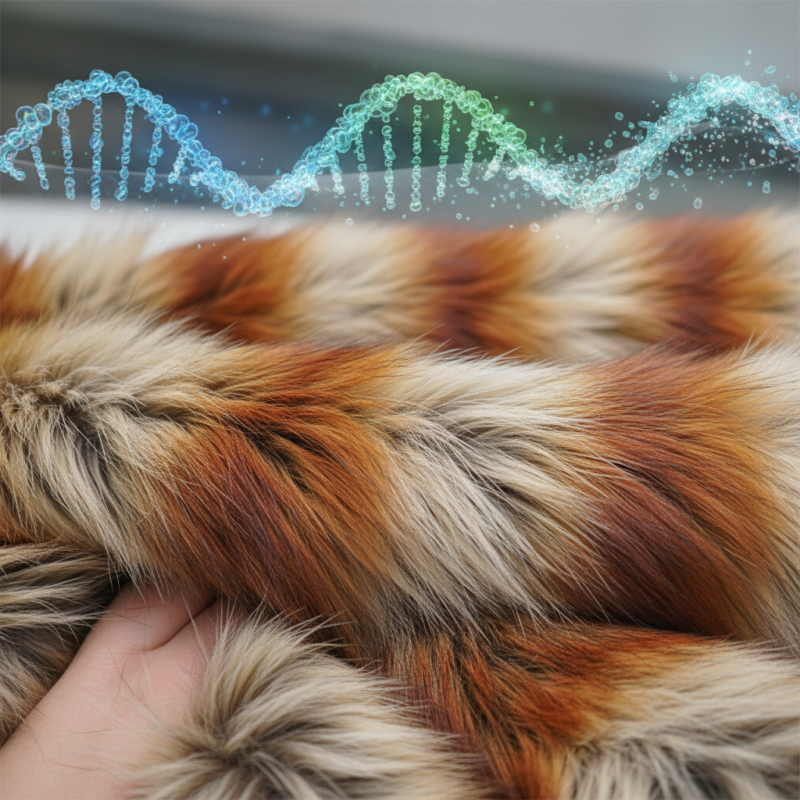
What is Faux Fox Fur and How is it Made?
Faux fox fur has become a popular alternative to real fur. It offers a similar appearance and warmth without harming animals. Made from synthetic fibers, faux fox fur mimics the soft, glossy look of real fur. This material raises questions about sustainability and environmental impact.
Creating faux fur involves intricate processes. Manufacturers start with polyester or acrylic fibers, which are dyed and woven. The end result is a plush fabric that many find irresistible. However, the production of these synthetic materials can strain our planet.
Choosing faux fox fur can spark deeper reflections on fashion choices. While it promotes cruelty-free practices, concerns about microplastics linger. Each garment could have hidden costs, urging us to weigh aesthetics against environmental responsibility. This duality makes faux fox fur both appealing and complex.
Definition and Characteristics of Faux Fox Fur
Faux fox fur is a synthetic alternative to real fur. It mimics the soft, luxurious feel of genuine fox fur without harming animals. Made from various types of polyester and acrylic fibers, faux fur offers various textures and colors. Production techniques can vary, but generally, the fibers are dyed and then woven to create a realistic look.
According to industry reports, the global demand for faux fur has increased by about 12% annually. Consumers seek cruelty-free options that align with ethical fashion. While faux fur is often cheaper than real fur, it can pose environmental challenges. The production process involves plastics that may not be biodegradable. This raises questions about sustainability in the fashion industry.
Tips: When choosing faux fur, look for high-quality options that utilize recycled materials. Check care instructions to prolong the fabric's life. Consider your purchasing habits and their long-term effects on the environment. By making mindful choices, we can enjoy the benefits of faux fur while minimizing our ecological footprint.
The Materials Used in Making Faux Fox Fur
Faux fox fur is a synthetic alternative to real fur. It mimics the appearance and texture of genuine fox fur but is made from different materials. The primary component is polyester, a plastic polymer that offers durability. This material can be dyed in various colors, allowing for creative designs.
Alongside polyester, acrylic fibers are commonly used. These fibers contribute to a soft and fluffy texture. They also enhance the fur’s insulating properties, making it a cozy choice for colder weather. Sometimes, mixed synthetic materials are utilized to improve performance. Adopting such materials often raises questions about sustainability.
While faux fur offers many advantages, it’s essential to reflect on its environmental impact. The production of synthetic fibers can contribute to pollution. The breakdown of these materials in landfills takes time, posing a challenge. Consumers should consider the lifecycle of faux fur products and seek eco-friendly options. It's crucial to balance fashion choices with environmental responsibility.
The Manufacturing Process of Faux Fox Fur
Faux fox fur is a synthetic alternative designed to mimic the luxurious texture and appearance of real fox fur. The manufacturing process for faux fur primarily involves the use of polyester and acrylic fibers. These materials are chosen for their durability and soft feel, making them ideal for garments and accessories. According to industry research, the global synthetic fur market is projected to reach over $2 billion by 2025, reflecting growing consumer interest in cruelty-free fashion.
The production process begins with creating fiber strips. These strips are then woven into a fabric base. The texture is enhanced through brushing and dyeing, which creates depth and vibrancy. Interestingly, there are concerns regarding the environmental impact of these synthetic processes. Many manufacturers are now exploring eco-friendly alternatives to minimize waste and energy consumption. Yet, the balance between quality and sustainability remains complex.
Faux fur can be produced in large quantities and at a lower cost than real fur. However, not all faux furs are created equal. Some may lack the desired softness or realistic look. Concerns about longevity and how faux fur items hold up over time are valid. Consumers should prioritize quality, as lower-grade materials might fray or lose their luster quickly. The journey of faux fox fur is evolving. Challenges remain, but innovation is driving the industry forward.
Applications and Uses of Faux Fox Fur in Fashion
Faux fox fur is gaining popularity in fashion due to its lush appearance and ethical considerations. This synthetic alternative mimics the softness and texture of real fox fur. Designers love it for creating stunning outerwear, accessories, and even footwear. It adds a touch of luxury without harming animals, appealing to conscious consumers.
Faux fox fur is versatile. You can find it in coats, vests, and even trim on bags. It offers warmth and style. Many fashion-forward individuals pair faux fur pieces with denim or chic dresses. The look is bold yet approachable. This fabric translates well from runway to everyday wear, allowing for endless combinations.
Tips: When caring for faux fur, wash it gently. Avoid harsh chemicals. A simple sponge wash can keep it looking fresh. Store it in a cool, dry place to prevent damage. Keep in mind, faux fur may lack the longevity of real fur. Consider how often you'll wear a piece before investing. This reflection can help in making sustainable choices in your wardrobe.
Care and Maintenance Tips for Faux Fox Fur Products
Faux fox fur is a popular choice for those seeking cruelty-free alternatives. Proper care ensures its longevity. Most faux fur fabrics are made of polyester or acrylic. According to industry reports, synthetic furs make up over 30% of the global fur market. This highlights the growing demand for alternatives that mimic true fur's softness and warmth.
When cleaning faux fox fur, hand washing is best. Use cold water and a gentle detergent. Avoid harsh chemicals. Washing machines can damage the fibers, leading to matting. Additionally, always air dry your items. Direct sunlight can fade the color and ruin the texture. Frequent washing isn’t advisable. Spot clean instead, as needed.
Storage is crucial, too. Keep faux fur items in a cool, dry place. Use breathable garment bags to prevent dust accumulation. Moths can be a problem; they are attracted to faux fur. Regularly inspect your items for any signs of wear. Some areas might fray or lose their plush feel over time. These small imperfections can remind us of the materials’ limitations. Treat your faux fur with care, and it will serve you longer.
What is Faux Fox Fur and How is it Made? - Care and Maintenance Tips for Faux Fox Fur Products
| Feature | Details |
| Material Source | Polyester or Acrylic fibers |
| Production Process | Fibers are spun, dyed, and processed to mimic authentic fur textures and appearances. |
| Environmental Impact | Considered more sustainable than real fur; reduces animal cruelty and resource depletion. |
| Care Instructions | Spot clean with a damp cloth or use gentle machine wash; avoid high heat while drying. |
| Lifespan | Typically lasts 5-10 years with proper care and maintenance. |
| Popular Uses | Coats, accessories, blankets, and home decor items. |
| Color Variety | Available in a wide range of colors, from natural tones to vibrant shades. |